Why Are So Many Ash Trees Dying?
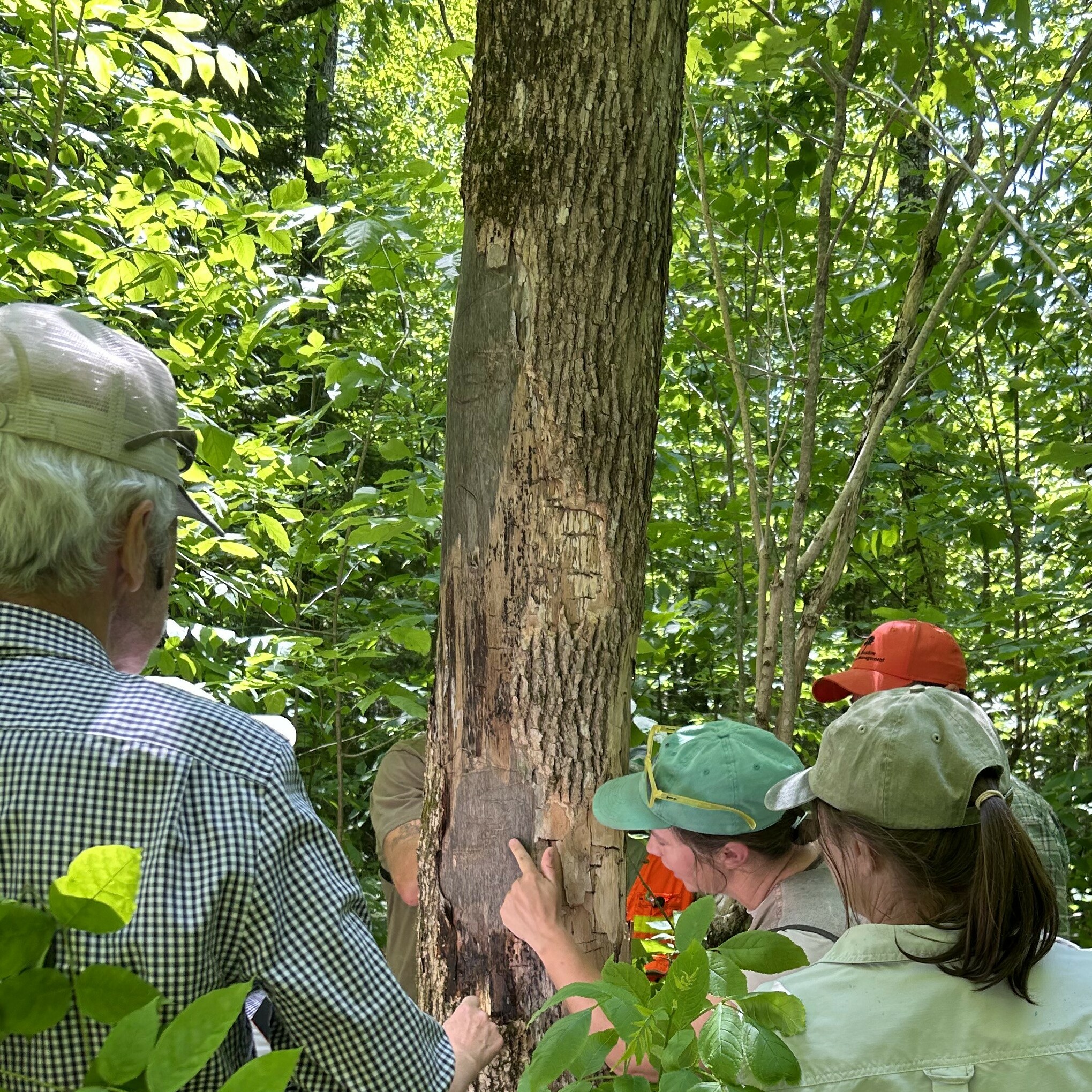
If you've been noticing more dead and declining trees along roadsides and in the woods, you're not alone. Across Vermont and the Upper Valley, many ash trees are beginning to show the impacts of emerald ash borer (EAB), an invasive insect that attacks and kills ash trees.
Landowners are reporting thinning crowns, dead branches, increased woodpecker activity, and entire ash trees dying over just a few years. Once you start noticing ash decline, it can feel like it is suddenly everywhere.
What Is Emerald Ash Borer?
Emerald ash borer is a small invasive beetle whose larvae feed beneath the bark of ash trees, disrupting the tree’s ability to move water and nutrients. Over time, infested trees decline and eventually die.
EAB was first detected in Vermont in 2018 and is now established across much of the state. As populations increase, more landowners are beginning to see impacts in their own woods and communities.
What Should Landowners Do?
The most important step is to start paying attention now. The earlier you assess your ash resource and think through your options, the more choices you will have.
Depending on your woods and goals, that may include:
- Working with a consulting forester
- Planning a timber harvest that includes ash
- Identifying high-value ash trees for possible treatment
- Encouraging ash regeneration
- Addressing hazard trees near roads, trails, homes, or infrastructure
There is no one-size-fits-all solution, but learning about the issue early can help landowners make informed decisions.
Learn More
Vermont Woodlands Association has assembled resources to help landowners understand emerald ash borer and explore options for their woods.
Visit our Emerald Ash Borer Resource Page to learn more about identifying ash, recognizing signs of EAB, understanding management options, and finding additional resources.