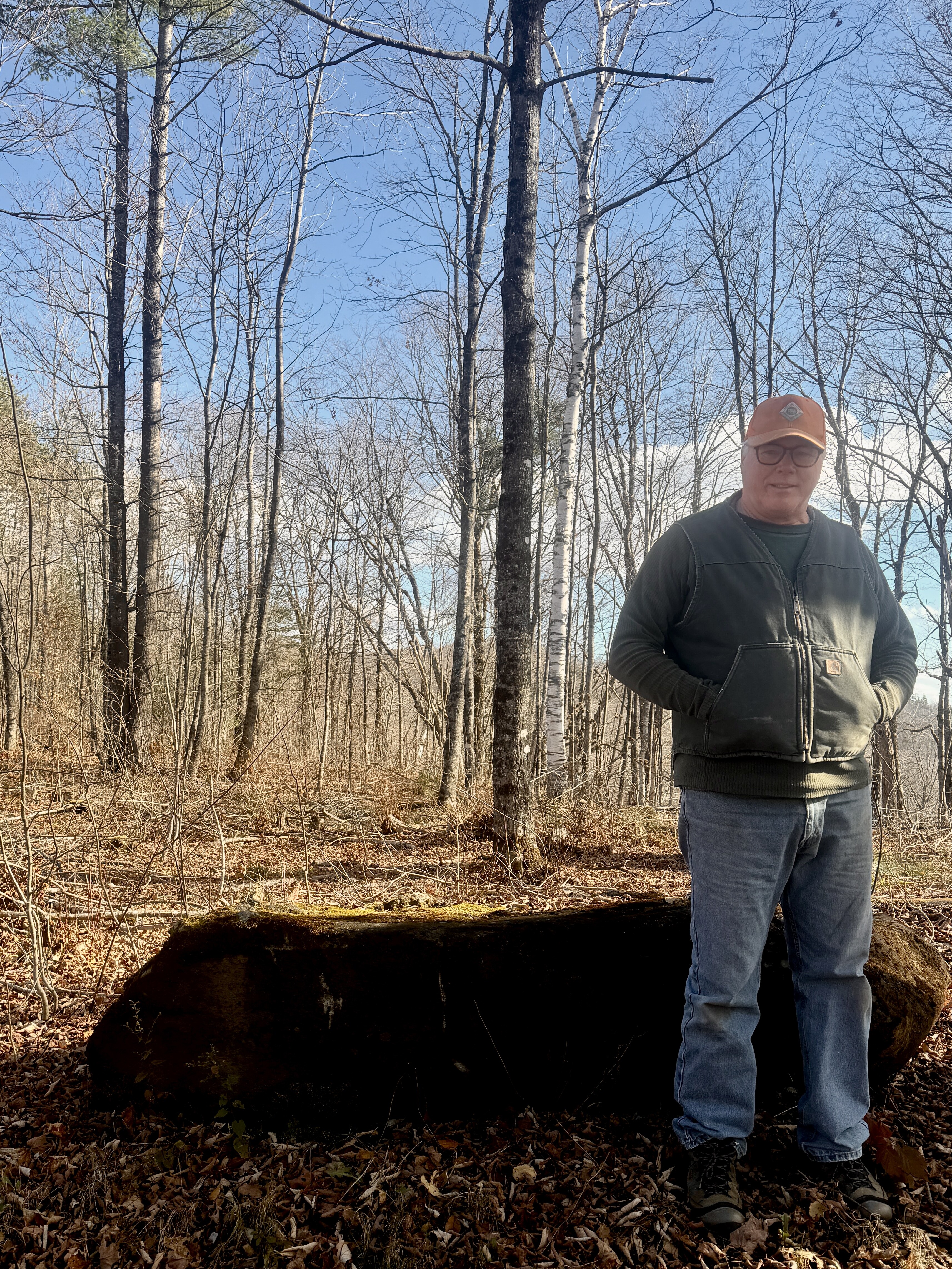
Meet John Buck
Contiguous Forestland to Steward
John and his wife purchased their property in Washington, Vermont with a couple of objectives in mind, among these reasons was the understanding of the importance of preserving contiguous forest land. As a professional wildlife biologist John is keenly aware of the role that uninterrupted forest land plays in the health of plant and wildlife communities. John and his wife also were drawn to having a parcel of land where they
could ensure its longevity up to a point [and would be able to] pass on to our children and hopefully grandchildren. So that they would always have forest land to steward and be part of and connect with in the way that I did, in particular as a boy growing up in Vermont, and also in my profession as a wildlife biologist with the state, being intimately related to the land and to forest land in particular.
The Affects of Climate Change
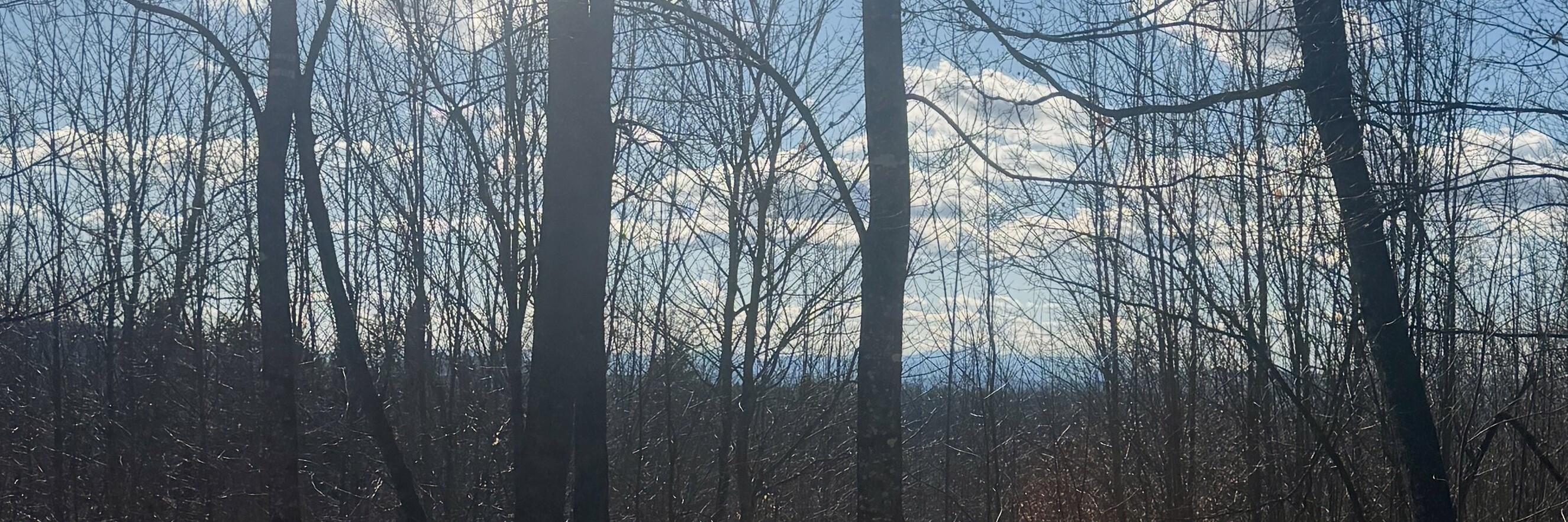
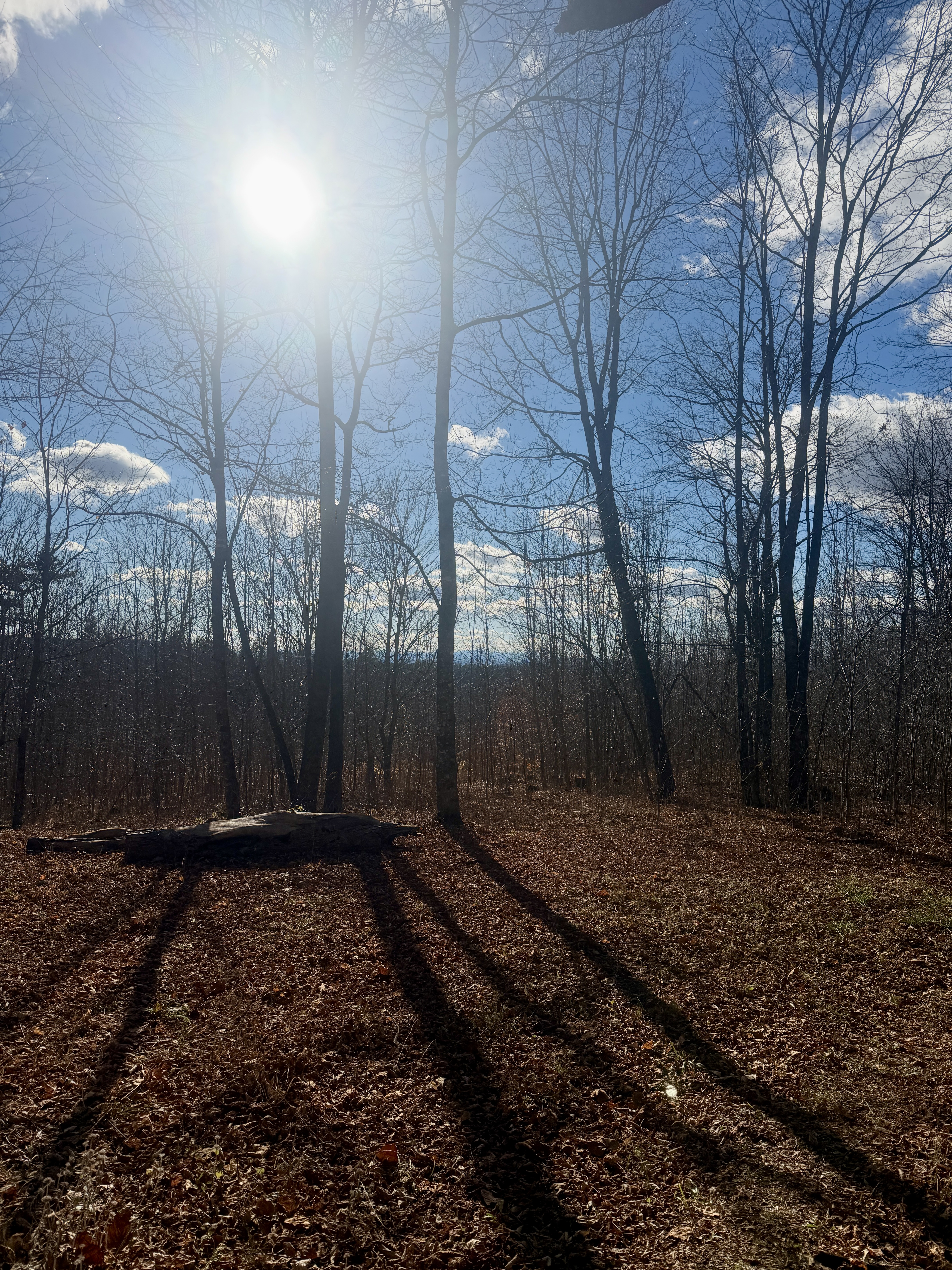
Climate change has certainly impacted John’s forest, between weather events, shorter winters and reduced snow pack. He’s focused on promoting diversity as a way to manage those potential stressors. The property is at a high elevation, just under 2000 feet, so the damaging weather events that John often sees come through are in the form of wind storms. In order to protect his forest from the abruptness and severity of the wind, he makes sure that his forest contains a
diversity of tree species, natural species as best you can. You don’t want them tight, tight but you also don’t want a single tree standing out by itself either. Where you know, really totally vulnerable to all the elements. So all the trees kind of support one another.
Utilizing the Forest to Preserve Culture
John spoke at length about community, both in terms of the importance that it plays within his forest but also how human communities will depend on each other through a changing climate. John sees the interplay between stewarding the forest and the preservation of rural culture, and furthermore the unique importance of that preservation.
It’s not an artifact. It’s not something artificial. It’s a real thing. We’re talking about people’s lives and the livelihood here. And there’s a culture that goes along with that. That is, in my view, the essence of Vermont, of rural Vermont. Of rural America. And it’s something we’re losing.
John believes that preservation is best accomplished by responsibly using the forest and recognizing the resources that it provides and not taking them, or the people who supply them, for granted. One does not have to live within the forest to learn where their food, paper products, heat and electricity come from. With this recognition in mind, his advice to future forest landowners and stewards is: Do your best to keep the forestland intact.
do what you can do to keep the land from being subdivided so that can be just your own personal actions, whether you just choose to carve it up or not, but it also can be your voice to politicians about what it takes to maintain land, forest land in its entirety, the costs, and the pressures that are on it for uses.
Audio story produced by Charlotte King with support from Kelsey Kupferer. Music in the story is "Arboles" by Podington Bear.
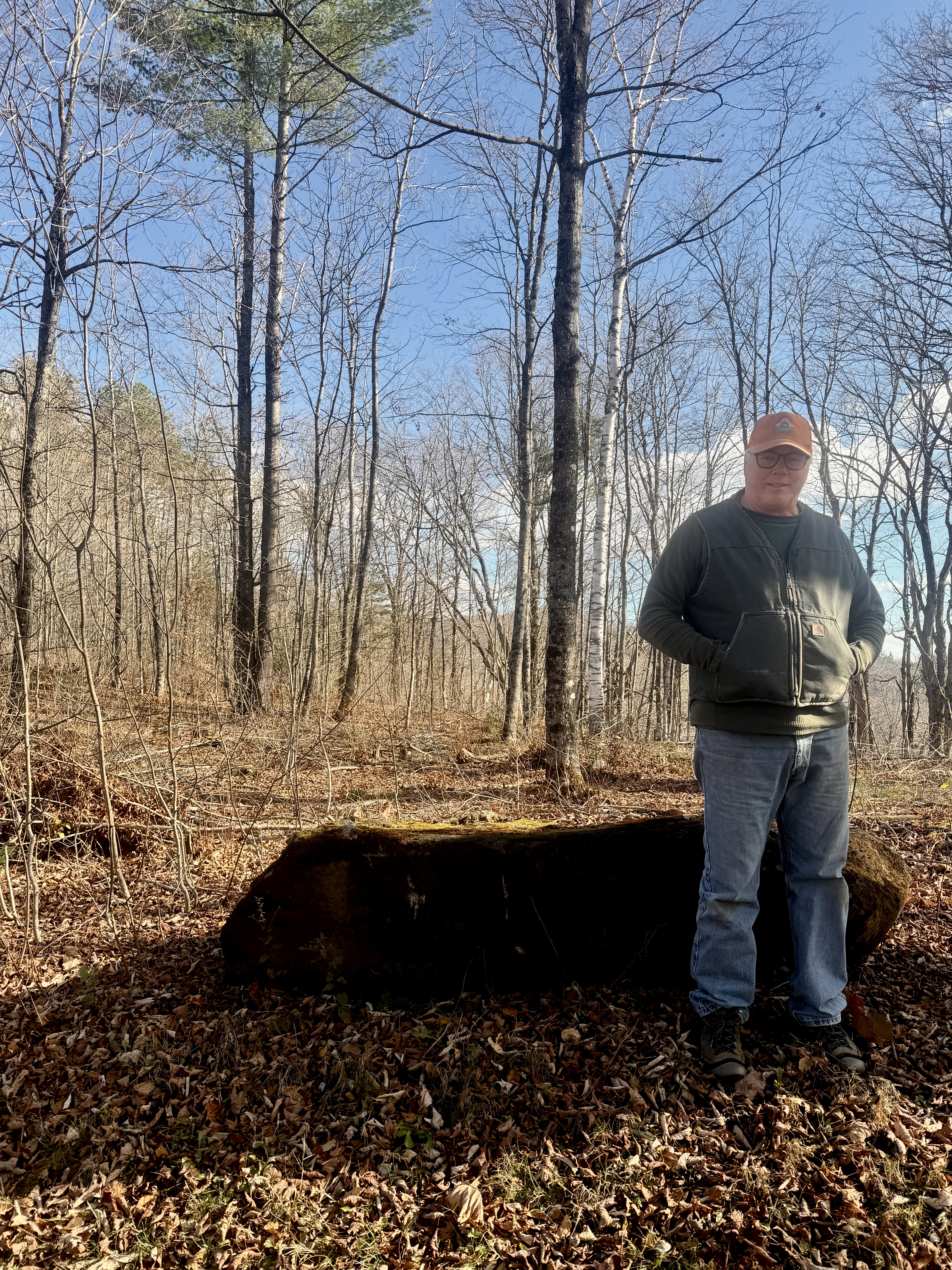
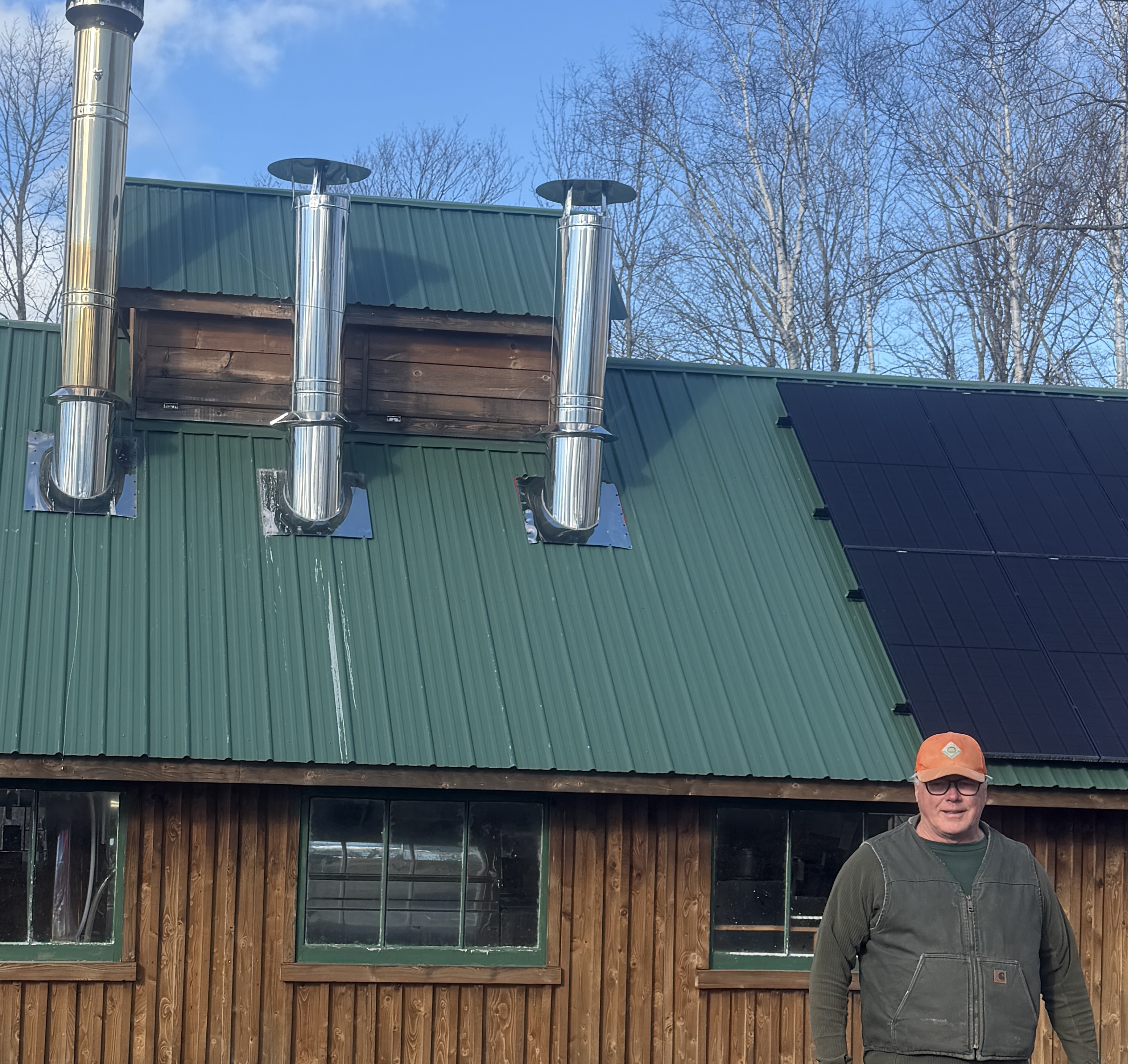
John Buck
Town: Washington, VT
Acreage: 70